Education is one of the fundamental rights of every human being. It is the backbone of a nation and the key to building a prosperous and developed society. In Bangladesh, education plays a vital role in reducing poverty, improving living standards, and creating a better future. Therefore, ensuring education for every child is one of the most important responsibilities of the government and society.
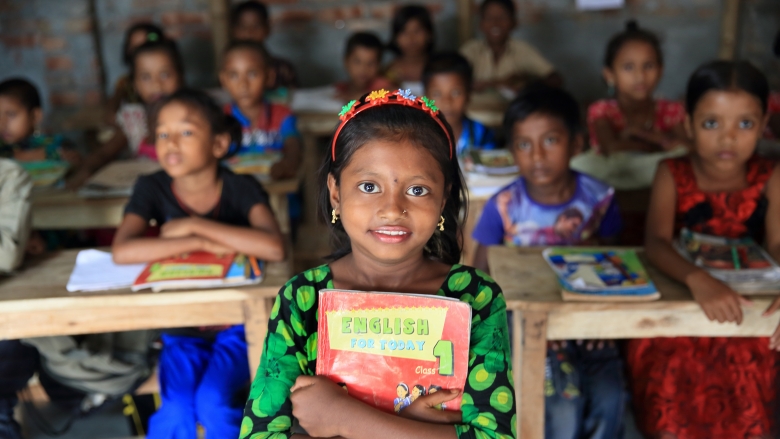
Bangladesh has made significant progress in the education sector over the past few decades. The government has introduced free primary education, stipends, scholarships, and various educational programmes to encourage children to attend school. As a result, the number of children enrolling in primary education has increased significantly. However, many challenges still remain.
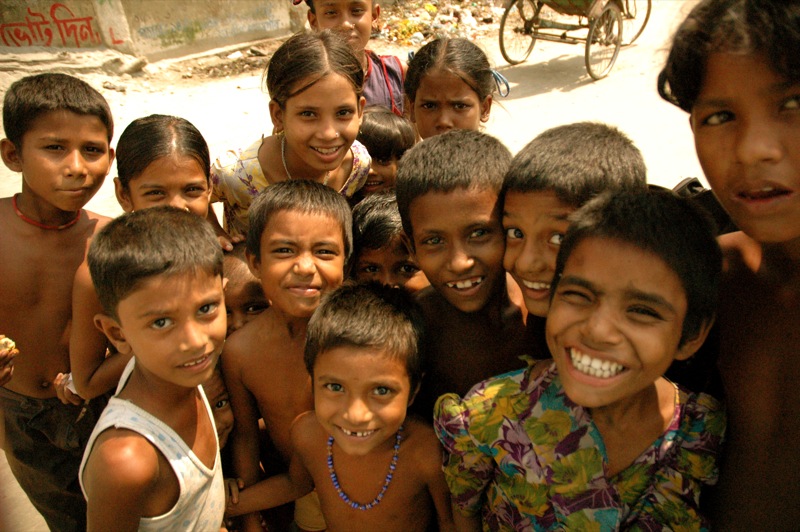
A large number of children in Bangladesh, especially those living in rural areas, remote regions, char areas, haor regions, and urban slums, still face difficulties in accessing quality education. Poverty is one of the major reasons behind educational inequality. Many children are forced to work to support their families instead of attending school. Child marriage, gender discrimination, natural disasters, and a lack of proper educational facilities also prevent many children from continuing their education.
To ensure education for every child, the government must take effective steps to improve educational facilities across the country. More schools should be established in remote areas, and qualified teachers should be appointed. Free books, educational materials, scholarships, and financial assistance should be provided to disadvantaged students. Special attention should be given to children with disabilities and those from economically disadvantaged families.
Parents and community members also have an important role to play. They should encourage children, especially girls, to pursue education and help prevent child marriage and child labour. Non-governmental organizations can contribute by establishing learning centres, providing educational support, and raising awareness about the importance of education.
Education is not merely about reading and writing; it is about developing knowledge, skills, values, and confidence. An educated population can contribute to economic development, social justice, gender equality, and national progress. If every child in Bangladesh receives quality education, the country will be able to build a skilled workforce and achieve its vision of a developed nation.
In conclusion, ensuring education for every child is not only a responsibility but also a moral obligation. No child should be deprived of education because of poverty, gender, disability, or geographical barriers. We must work together to create a Bangladesh where every child has the opportunity to learn, grow, and fulfil their dreams. Education for every child is the foundation of a brighter Bangladesh.